
Can You Be Charged with DWI for Prescription Medications in Texas?
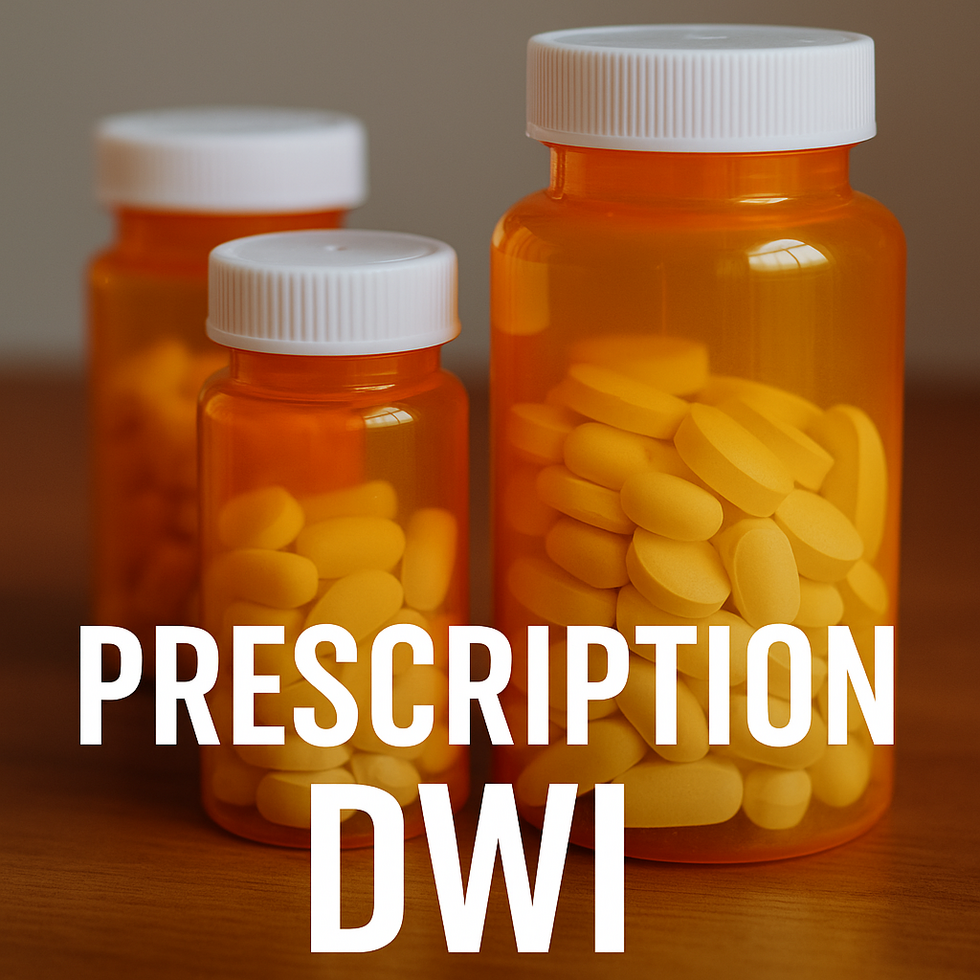
Understanding Prescription Drug DWIs in Texas
Most people associate a DWI (Driving While Intoxicated) charge with alcohol. But under Texas Penal Code §49.04, a person can be charged with DWI if they operate a motor vehicle while “intoxicated by any substance” that impairs their mental or physical faculties — including lawfully prescribed medication.
That means even if you took your medication exactly as prescribed, you could still face a criminal charge if it allegedly affected your ability to drive safely.
What Prescription Drugs Commonly Lead to DWI Arrests?
Law enforcement officers in Dallas, Tarrant, Collin, and Denton counties have been increasingly trained to recognize signs of drug impairment. Some of the most common prescriptions that lead to DWI arrests include:
-
Benzodiazepines (Xanax, Valium, Ativan)
-
Opioid painkillers (Hydrocodone, Oxycodone, Codeine)
-
Sleep medications (Ambien, Lunesta)
-
ADHD medications (Adderall, Vyvanse)
-
Muscle relaxers (Soma, Flexeril)
-
Anti-anxiety or antidepressants (SSRIs, SNRIs)
Even over-the-counter medications, like cold or allergy drugs that cause drowsiness, can trigger a DWI investigation if they impair your reaction time or judgment.
How Police and Prosecutors Prove “Intoxication” Without Alcohol
Unlike alcohol-related DWIs, where a breath test gives a clear number, drug-related DWIs are based on subjective observations and chemical testing that's far from perfect.
Officers may rely on:
-
Field sobriety tests that aren't designed for drug impairment
-
Blood tests that detect medication in your system — but don't measure impairment
-
Drug Recognition Expert (DRE) evaluations that are highly subjective
Simply testing positive for a prescribed drug does not prove intoxication. Prosecutors must still show that the medication affected your ability to operate a vehicle safely — something that's often open to challenge.
Defenses to a Prescription Drug DWI
At Texas Defenders, we regularly handle DWI cases involving prescription medications. Some of the most effective defenses include:
-
Legal prescription defense: You were lawfully prescribed the medication and took it as directed.
-
No impairment evidence: There's no reliable proof that your driving was actually affected.
-
Unreliable testing: Lab results can be inaccurate or misinterpreted, especially for therapeutic drug levels.
-
Improper stop or arrest: If police lacked reasonable suspicion or probable cause, the entire case may be thrown out.
Each case turns on the details — the specific medication, your dosage, your driving behavior, and how the investigation was handled.
Penalties for Prescription DWI in Texas
The penalties for a prescription-related DWI are the same as for alcohol DWIs:
-
First offense: Up to 180 days in jail, fines up to $2,000, and license suspension up to one year
-
Second offense: Up to one year in jail, fines up to $4,000, and longer suspension
-
Third or subsequent offense: Felony DWI with possible prison time
Even for a first-time offense, a conviction can lead to license suspension, probation, ignition interlock requirements, and a permanent criminal record.
What To Do If You're Arrested for DWI on Prescription Drugs
If you're pulled over after taking prescription medication:
-
Stay calm and polite — but don't admit to “feeling drowsy” or “taking pain meds.”
-
Refuse field sobriety tests if you're unsure of your balance or coordination.
-
Request to speak with an attorney immediately.
-
Contact Texas Defenders as soon as possible.
Our attorneys understand how to challenge the state's evidence and highlight the difference between medication use and actual impairment.
Texas Defenders: Experienced DWI Defense for Prescription Medication Charges
Prescription-related DWI cases require a strategic and technical defense. Our team at Texas Defenders has successfully defended clients in Dallas, Fort Worth, Plano, McKinney, Denton, and surrounding areas who were charged after taking medications prescribed by their doctors.
We work with toxicologists, medical experts, and former prosecutors to dismantle weak evidence and protect your record.
Talk to a Dallas DWI Defense Lawyer Today
If you've been arrested or investigated for DWI involving prescription medication, don't assume the case is minor — these charges can have the same lasting impact as alcohol-related DWIs.
Call Texas Defenders today at 214-306-9696 or contact us online for a free and confidential consultation.







Comments
There are no comments for this post. Be the first and Add your Comment below.
Leave a Comment