DWI
A DWI defense can turn on the reason for the stop, field sobriety testing and how breath or blood evidence was collected and tested. Learn more about DWI / DUI defense.

Arrested or charged with a crime in Plano?
Get clear answers about what happens next, from a Class C citation in Plano Municipal Court to a felony case in McKinney.
A criminal charge can affect your job, your family and your record. You deserve to understand what is happening and what your options are.
Texas Defenders represents people charged with crimes in Plano and across Collin County. We also represent clients charged in Frisco, McKinney, Allen, Wylie and Prosper. We treat people like people, not case numbers, especially during one of the most difficult times of their lives.
We take a holistic approach. We look at the evidence in your case, and we also look at what matters to you: your work, your family, your record and your future opportunities. Then we explain the options and work toward the best possible result for you, both now and in the years ahead. No lawyer can promise a particular outcome.
We represent people arrested by Plano police or Collin County deputies on misdemeanor and felony charges, including:
We handle criminal Class C cases, such as public intoxication and assault by offensive contact. We do not handle traffic tickets.
As soon as we are hired, we file a letter of representation with the court and request discovery so that we can see the State's evidence as early as possible. Then we review the facts, the law and what the officers actually did, and recommend a strategy based on that review.
Officers cannot stop someone for any reason they want. They need a lawful basis, however minor the alleged violation. We compare the offense report with the dash-camera and body-camera video.
Why it matters: if a court finds the stop was unlawful, it can suppress the evidence gathered afterward.
In a drug or weapons case, the question is possession, not who owns the item. We look at where it was found, whether it was in plain view and who else was present in the car or home.
Why it matters: being near something, or driving someone else's car, is not always enough to prove you possessed it.
A criminal case is the State of Texas against you, not the other person against you. A person's statement is evidence, and their wish to drop the charges is a factor but does not decide whether the State moves forward.
Why it matters: the defense has to address all of the State's evidence, including recordings, injuries and other witnesses.
We look at how each option affects your criminal record and your future job opportunities, not only how it resolves the case.
Why it matters: two resolutions that look similar today can have very different effects years from now.
Each case turns on its own facts, and past results do not guarantee a similar outcome.
Collin County Court at Law
Read the Collin County DWI result.

David leads the firm's criminal defense practice. He handles misdemeanor and felony cases and appears in courts in McKinney, Dallas, Fort Worth, Denton and surrounding areas. He handled the Collin County DWI dismissal described above.
A Dallas native, David earned his law degree at Texas A&M University School of Law. Read David Payma's profile for his full background.
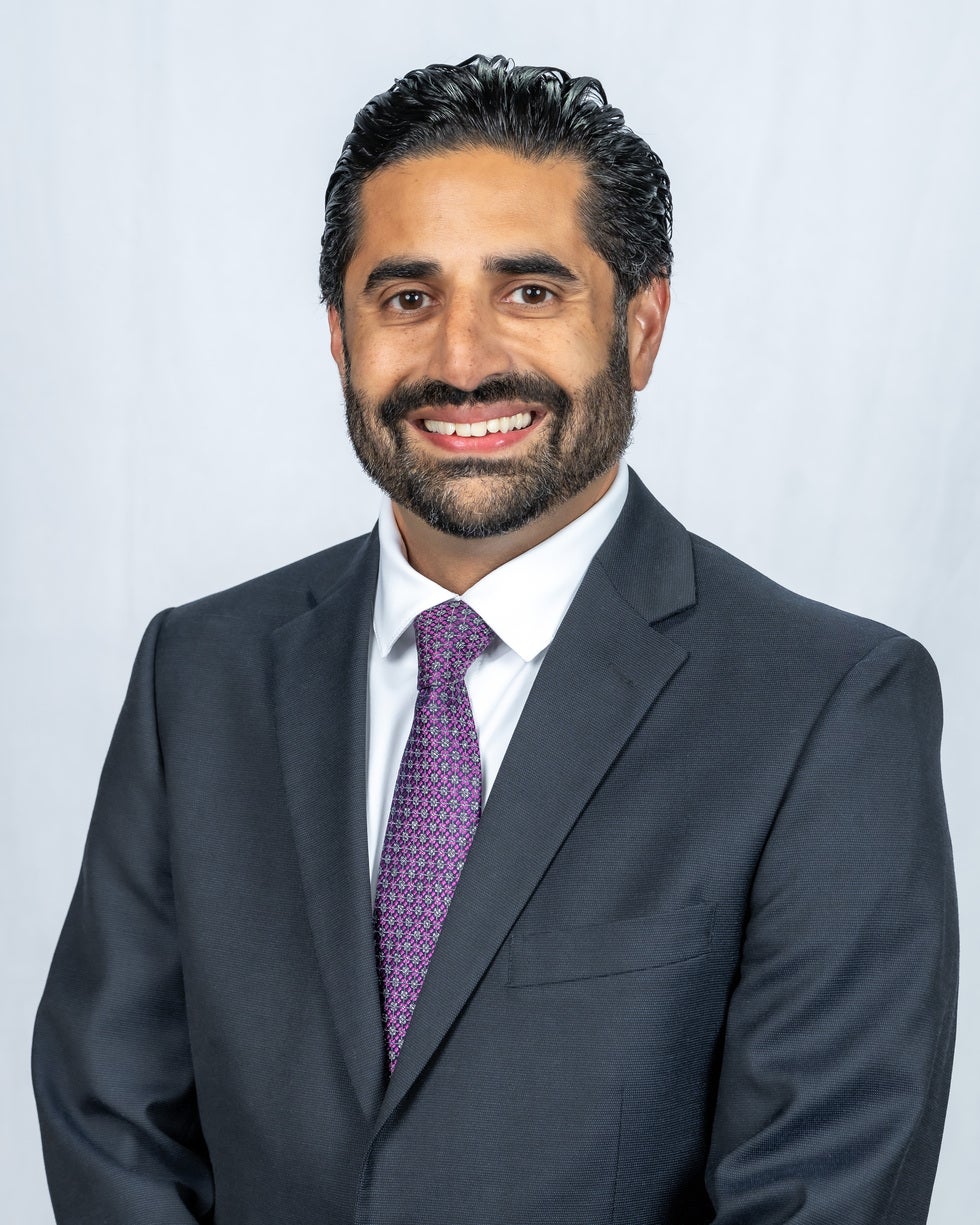
Robert founded Texas Defenders. He was admitted to the State Bar of Texas in 2007 and served as a judicial clerk for County Court at Law No. 3 in Dallas.
His career spans private practice and public service in North Texas. Read Robert Abtahi's profile for his full background.
The court depends on the charge. Check your citation or bond paperwork, and confirm the court and date with your lawyer.
Fine-only Class C offenses
Hears fine-only cases that arise within Plano city limits, such as public intoxication, assault by offensive contact, theft of property worth less than $100 and drug paraphernalia. The City of Plano has more information on its municipal court page.
Class A and Class B misdemeanors
Misdemeanors that can carry jail time, including most first-offense DWI cases, are heard by the county courts at law, not in Plano.
Felony cases
Felony cases are heard by the district courts at the Collin County Courthouse, 2100 Bloomdale Road in McKinney.
A magistrate explains your rights and sets bond based on the charge and your situation. In Collin County, this is handled by the magistrate court in McKinney. The process can take several hours, and no one can promise the bond amount or the release time.
After release, the court sets a date. We handle the court side and tell you where and when you need to appear.
We request discovery right away, then review the reports, video and other evidence. That review shapes the strategy, including any motion to suppress.
Depending on the evidence, your case may end in a dismissal, a negotiated resolution or a trial. We explain each option before you decide.
Answers to the questions people ask most after an arrest or citation in Plano.
Ask about your caseYes. A Class C misdemeanor is a criminal offense, generally punishable by a fine rather than jail for the offense itself. It can still create a criminal record, so it is worth understanding your options before you pay or plead.
It depends on the charge. Fine-only Class C offenses that happen in Plano usually go to Plano Municipal Court. Class A and B misdemeanors and felonies are heard by Collin County courts in McKinney.
The other person cannot end the case alone. Their wishes are a factor, but the State decides whether to continue and can rely on other evidence. Any protective order or no-contact condition must still be followed.
Sometimes. If the stop, search or arrest was not lawful, a court can suppress the evidence that followed. In other cases, problems with the evidence affect how strong the case is. It depends on the facts and the law, and no lawyer can guarantee a dismissal.
It depends on the court and the stage of the case. A setting may deal with scheduling, a plea or other matters. Read your notice carefully, follow your lawyer's instructions and allow extra time.
Tell us what happened, when you were arrested or cited, and which court is on your paperwork. You can also reach us through our contact page.
(469) 225-0066Texas Defenders is committed to answering your questions about Criminal Defense law issues in Texas.
We offer a free consultation and we will gladly discuss your case with you at your convenience. Contact us today to schedule a free consultation.